I once watched a freshly poured driveway begin to show hairline cracks within months. The crew boasted about using high-strength mix and steel-reinforced joints, yet the slab moved and settled in places that were soft to the touch during excavation. That project taught me the blunt truth many homeowners and some contractors learn the hard way: even the best concrete mix cannot rescue a poorly prepared subgrade. In Tampa, where soil, water, and storms play by their own rules, subgrade preparation is not optional. It is the decision that determines whether a slab thrives for decades or fails in a handful of years.
Why this matters now, not later A concrete slab is a system, not a single product. The concrete you see is less than half the story. The unseen base beneath controls compaction, drainage, and shrinkage behavior. Neglect it and you are guaranteeing callbacks, patchwork, and early replacement. Invest in it and you get long-term performance with comparatively small upfront cost. For owners choosing Concrete Services in Tampa FL, that forethought saves tens of thousands of dollars over a building’s life cycle.
What makes Tampa different Tampa soil ranges from sandy near the coast to clayey and organic in low-lying inland pockets. Water table levels shift seasonally, and hurricane-driven stormwater can saturate a site quickly. Those conditions create three main challenges: inconsistent bearing capacity, high potential for water collection under slabs, and differential settlement where parts of a slab sit on different substrate types. A generic subgrade approach borrowed from another climate will not work here.
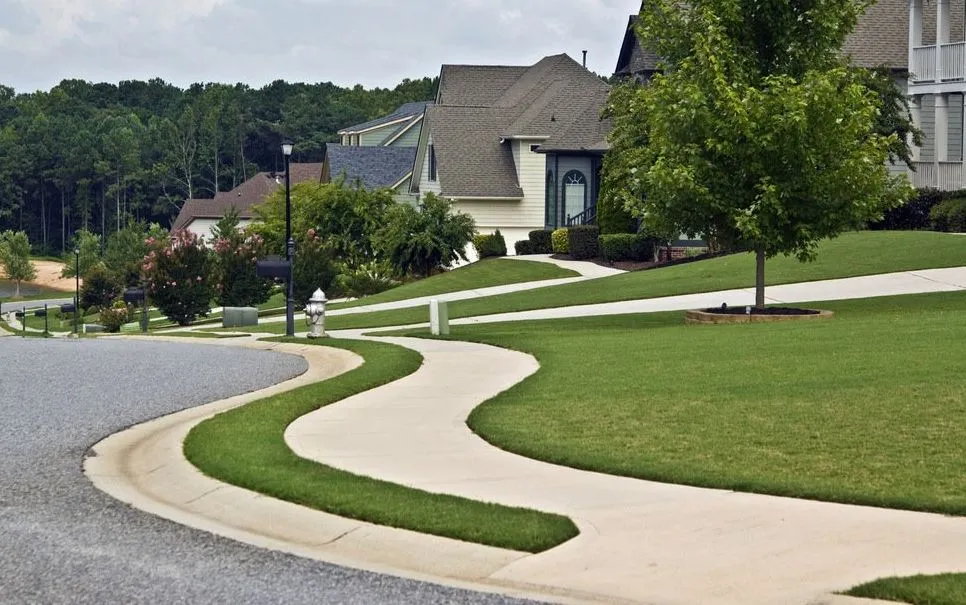
Experienced concrete finishing contractors know to treat Tampa sites as unique geotechnical projects. They read the site, not the plan alone, and respond with a combination of testing, grading, drainage strategies, and material choice. The best local crews, including established names like All Phase Concrete when owners ask for careful prep, make subgrade work visible and documented rather than hidden and assumed.
What proper subgrade prep actually includes People imagine leveling and compacting, and that is part of it. But proper prep is a sequence of decisions and actions informed by soil behavior, planned loads, and service life expectations. It starts with testing: a simple hand penetrometer and observation can reveal much, but for heavier structures a professional geotechnical report with spot borings and moisture content readings is prudent.
After testing, the team will cut or strip unsuitable material. That may mean removing topsoil, organic matter, buried debris, or soft clay to a depth that gives adequate bearing. Sometimes the solution is a full-depth replacement where poor soil is excavated and replaced with crushed stone or a well-graded granular material. In other cases, stabilization techniques — lime, cement, or geotextile reinforcement — reduce compressibility and improve bearing.
Compaction follows. The numbers matter here: for residential slabs a compaction target of 95 percent of maximum dry density (per ASTM D698 or D1557, depending on the spec) is a good rule. For heavier loads or commercial work, higher compaction or engineered fills may be required. Compaction is not achieved by a few passes of a plate tamper; different soils require different equipment and moisture conditioning to reach the target density.
Drainage is often the unsung hero. Without positive site grading and subsurface drains where needed, water will collect under the slab and undermine the subgrade over time. A well-prepared subgrade includes plans for surface slope, perimeter drainage, and, when necessary, sub-surface drainage layers. In Tampa, where a summer storm can drop several inches of rain in hours, even small slopes and properly placed drains reduce saturation risk dramatically.
A practical step-by-step example To make this concrete, here is how a thorough crew might prep for a 20 by 30 foot residential slab on a typical Tampa lot with moderately variable soils:
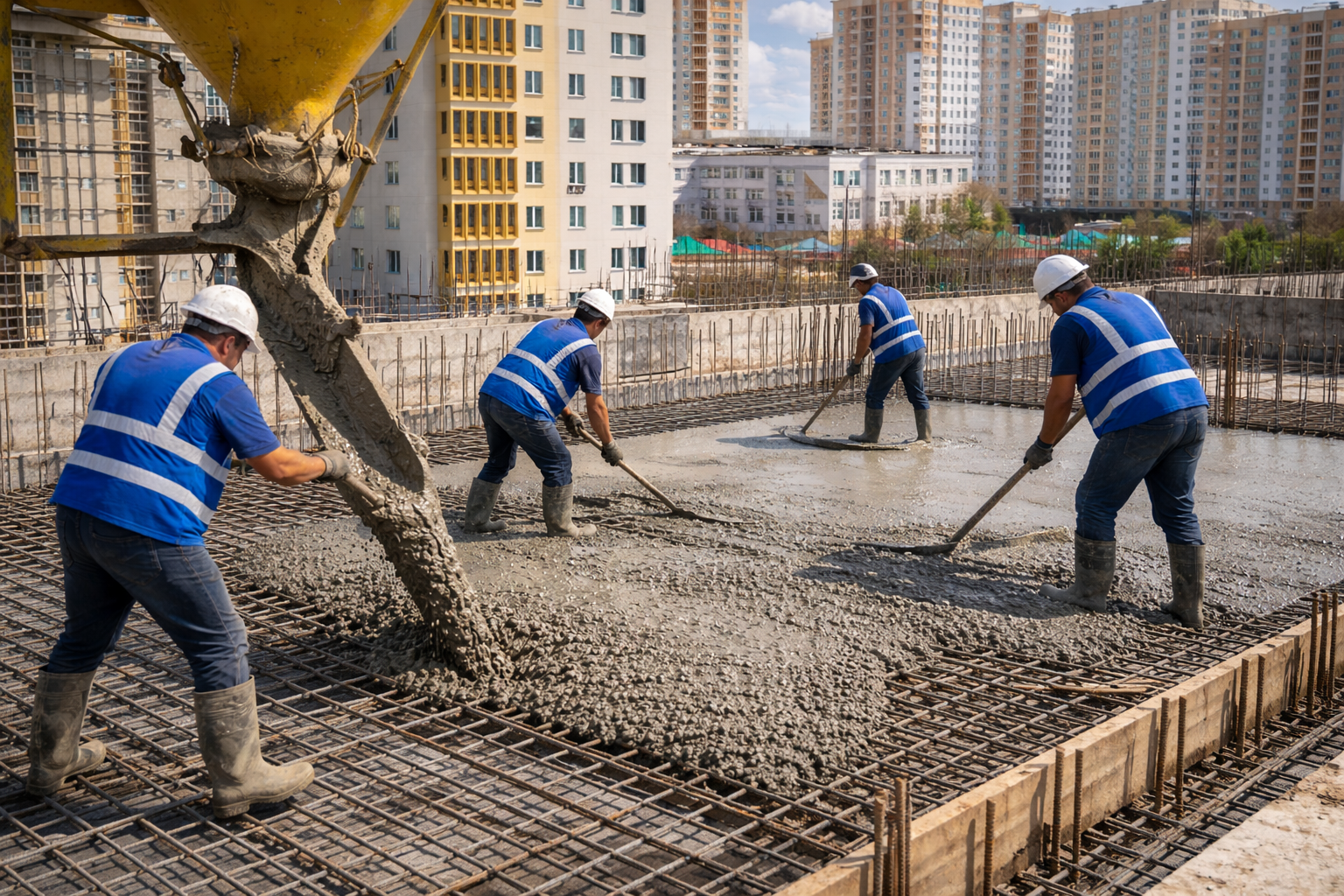
1) Perform spot borings or at minimum a visual and manual inspection at four corners and the center, looking for organics, soft pockets, and water table indicators. 2) Strip topsoil and organic matter, typically 6 to 12 inches, more where sod and roots are present. 3) Excavate soft zones to sound material or to a designed depth and replace with compactible fill like crushed limestone or 3/4 inch minus road base. 4) Condition and compact fill in lifts, bringing each to 95 percent maximum dry density; verify with field density tests. 5) Finish with a 4 to 6 inch clean stone or sand cap for slab-on-grade followed by a vapor retarder if required, and ensure final subgrade slope directs surface and roof runoff away from the slab.
Those steps are intentionally measured. Skipping the borings avoids upfront cost but increases the chance of underlying surprises. Condensing compaction into fewer lifts saves time but reduces uniformity. A crew that documents moisture conditions, compaction test results, and the materials used puts the owner in a defensible position if future problems arise.
Common mistakes that undermine slabs I have seen a half dozen recurring errors that are easy to spot and harder to repair once concrete is poured. First, contaminant layering. Contractors sometimes place fill without separating construction debris or organics. A few inches of root-rich soil beneath a slab will compress and create voids that show up as cracks and ponding.
Second, inadequate compaction due to poor equipment matching. Sandy soils compact differently from silt or clay. Using the wrong compactor or insufficient passes leads to uneven densities and differential settlement. Third, failure to address high water table and poor drainage. In Tampa, ponds can form under slabs that are level with the surrounding water table. Without a drain or geotechnical solution, the slab will heave or settle when the water table fluctuates.
Fourth, relying on nominal fill depths. Designers sometimes specify a generic 4-inch gravel cap for all sites. On a site with soft clay pockets, that is insufficient. Finally, poor communication between the excavation crew and the concrete finishing contractors leads to cut corners in formwork and reinforcement placement because the subgrade is inconsistent.
How subgrade decisions affect finishing and long-term aesthetics A smooth finish requires a stable, uniform base. When a subgrade compacts unevenly, slab edges sink and joints open. Even high-quality surface finishing cannot hide settlement cracks. For decorative overlays, stamped patterns, or colored concrete, the substrate must be stable for the overlay materials to adhere and remain intact. Decorative concrete often has thin topical systems that depend on the slab’s dimensional stability. If the subgrade is variable, an attractive stamped patio can end up with unfriendly seams and visible repairs within a few years.
Trade-offs, costs, and why spending earlier pays off Owners often balk at added expense for subgrade work because the cost is invisible once the site looks clean. Yet consider the alternatives. Repairing a settled slab or replacing it can cost from 50 percent to more than 100 percent of the original job, depending on access and site constraints. Adding drainage, removing poor soil, and compacting correctly typically adds 5 to 15 percent to the initial concrete scope but reduces long-term maintenance and replacement risk far more than that percentage suggests.
There are times when trade-offs are reasonable. For small non-structural patios, a less rigorous approach may be acceptable if the owner understands the reduced life expectancy and is willing to accept future repairs. For driveways carrying SUVs and light trucks, or for commercial slabs supporting forklifts and racking, the extra cost of geotechnical analysis and engineered fill is prudent and often required by code.
Anecdote: a parking lot that taught a lesson A contractor once chose to leave a low cost, loosely compacted sand base under a newly poured commercial parking lot near the bay. It looked fine for the first rainy season. After a heavy storm, several wheel paths developed 1/4 inch to 1/2 inch depressions. The owner assumed surface wear, but the contractor found that repeated ponding had washed fines from the subgrade and allowed rutting. The fix involved removing and replacing large portions of the lot, installing edge drains, and regrading. The initial savings evaporated in both expense and reputation. That experience is why many owners now prefer to hire concrete finishing contractors who insist on proving their subgrade work with tests and documentation.
The role of materials and additives Subgrade prep affects mix design choices. A slab on a well-prepared, drained base can use a standard 3,000 to 4,000 psi mix with normal air entrainment and typical reinforcement. Poor or https://rentry.co/6euwqruc unpredictable bases sometimes lead contractors to overdesign mixes in an attempt to compensate, but that is a band-aid at best. Admixtures can help with workability and early strength, and vapor retarders reduce moisture transport for interior slabs, but none replace proper compaction and drainage.
In some Tampa situations, subdrains and gravel blankets are essential. For sites with high seasonal water tables, a gravel blanket of several inches beneath the slab with a tied-in subdrain reduces hydrostatic pressure and prevents water from wicking into the slab from below. Geotextiles can separate fine soils from coarse fills, maintaining drainage properties over time.
What to look for in a contractor Choosing the right team separates cosmetic success from structural longevity. When evaluating Concrete Services in Tampa FL, ask whether they perform or require soil testing, how they document compaction (field density tests per lift), what equipment they use for different soil types, and how they handle drainage. A reputable firm will provide references and, on larger projects, a geotechnical report or at least a site assessment.
Concrete finishing contractors should argue for the subgrade they need to deliver the finish you want. A finish-only mentality is a red flag. Likewise, insist on seeing the compaction reports and any materials certifications for imported fill. Companies like All Phase Concrete, when chosen for their attention to prep, will often walk a client through alternatives and the expected lifecycle cost differences.
Concrete, warranties, and realistic expectations Warranties for concrete work can be misleading when subgrade matters are not covered. Many contractors warranty surface defects or workmanship but exclude settlement damage or failures arising from poor soil conditions. If you want meaningful protection, negotiate warranty language that includes the subgrade, or require the contractor to subcontract geotechnical services and accept their recommendations as part of the scope.
Even with perfect subgrade prep, expect hairline shrinkage cracks. Proper joint placement, reinforcement, and curing minimize those and prevent them from becoming structural problems. Accepting minor cosmetic cracking is different from tolerating settlement or structural failures.
Practical checklist for owners before pour day
- Confirm whether the contractor ordered soil tests or will perform a site assessment; ask for results or a summary of findings and recommendations. Verify compaction targets and how they will be documented; require field density test reports for any import fill or deeper excavations. Ask about drainage strategy, including surface grading, perimeter drains, and any subdrains or gravel blankets proposed. Review the proposed fill material specification and request material certifications if the contractor plans to import stone or engineered fill. Require a walk-through before pouring to verify subgrade condition, moisture state, and any changes made during excavation that could affect the slab.
Long-term payoff: fewer repairs, lower lifecycle cost The real value of investing in subgrade prep shows over years, not days. A properly prepared slab settles evenly, resists cracking that penetrates the slab, and retains its finish with minimal maintenance. For commercial properties, that means predictable maintenance budgets and fewer business disruptions. For homeowners, it means a driveway that does not require regrading and repaving within a decade.
Local knowledge matters Concrete Services in Tampa FL that have worked here for years understand the local soils, permit requirements, and weather patterns. They know when a borings plan is required by code and when a simple reconnaissance suffices. They know the subgrade depths that often reveal hidden shells or organics on older coastal lots. Hiring local expertise reduces surprise and keeps schedules realistic.
Final practical note Subgrade prep is not glamorous, but it is decisive. Ask contractors to show you what they propose, how they will measure and document it, and what will happen if the tests reveal problems. Spend a little more at the start to avoid spending a lot later. The slab you pour will reflect the decisions you make before the first bucket of concrete leaves the truck. Concrete finishing contractors and full-service firms that emphasize subgrade work, such as All Phase Concrete when owners select them for careful projects, offer not just a surface but a promise of performance rooted in what lies beneath.